Talking about technology in the same sentence as stagnation goes down two paths, the one filled with numbers to affirm or deny any problem exists, and the other, all vibe, no data, also to agree with or to downplay any concern. Look at the numbers. It’s obvious. Or, don’t get lost in the graphs. They mislead.

Still, the combinations hang out there. Technology. Stagnation. Space. Exploration. And yes, progress.
Space exploration, NASA, and what’s to come in space technology naturally fall into the gravity well of a conversation about progress or its absence. Worse, what progress means will often sidetrack the debate. My first thoughts here began with technology and stagnation, though I rarely joined the words again. Veering into space technology, reusability, and refueling, NASA and its push toward commercial space filled the pages. Still, the combinations hang out there. Technology. Stagnation. Space. Exploration. And yes, progress.
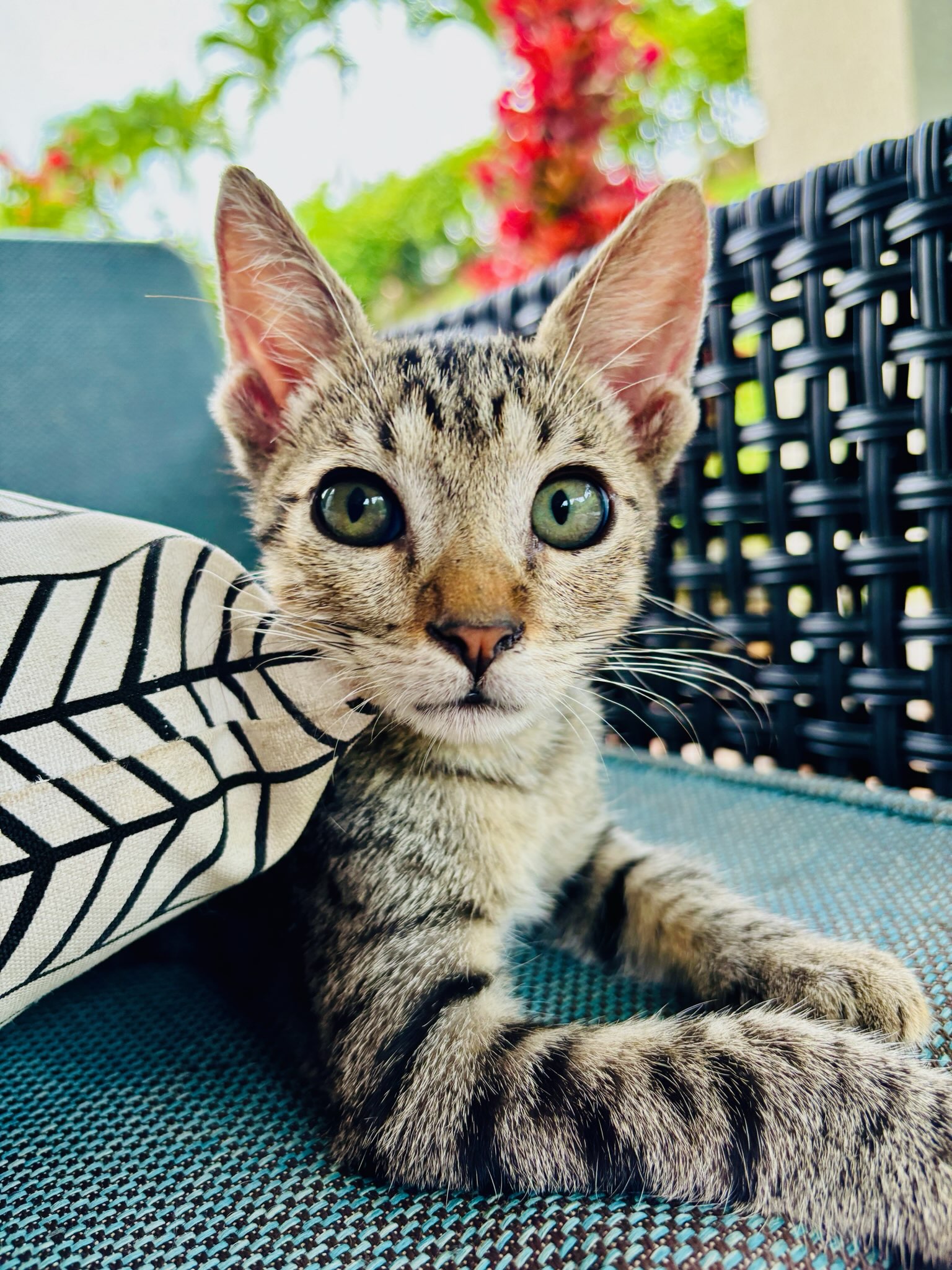
In one school, we only have to listen to the quants to see how being stuck in a rut is real. I confess an affinity by nature. Total factor productivity, or GDP, or some other headline measure leveled off or began to decline decades ago. Around 1970, four years after the highest-ever (inflation-adjusted) NASA budget, one year after Niel Armstrong stepped foot on the Moon, technological advance slowed to the crawl we still see today. About then, we see the lack of advance across most fields, from energy to aeronautics to transport to manufacturing. And for physics, well. As a professional courtesy, let’s not dwell on the lack of progress there. Finally, a fence is drawn around communications, a sole bright spot leading to the internet and all those screens we stare at habitually as if we will miss that meeting invite, the one where only we can save the world. Overall, the numbers show that remarkable advances in one field – sharing pictures of kittens or adding to the reading pile – did not make up for slowing down everywhere else.
In response, optimists look at the graphs and say, “I am not impressed.” You have measures of an old economy here, not our new one. Productivity has skyrocketed, minus the rockets, if we think about how much more productive we are “banking, purchasing, relaxing, planning, dating” and doing endless other day-to-day tasks. We live in a world of growing convenience. We just don’t know how to measure ease.
However, other measures are not as easily discarded…
And yet, on too many measures, the sense of techno-stagnation holds up. The speed at which we travel may never have been a valid measure of advances in transportation (though we can still dream of spaceplanes from breakthroughs in hypersonic propulsion.) Similarly, measures like spending on healthcare confuse processes with results. However, other measures are not as easily discarded as someone unimaginatively connecting the dots. There is no arguing that the human life span lengthened only recently and has since plateaued. We are now in a world where bacteria are increasing their resistance faster than we are developing new antibiotics. But not to fret. You can read books about why a slowdown is a good thing or how the stall comes from choices we make gladly.
The data are in. The low-hanging fruit has been picked. The next leap is so vast that we are all paused before the chasm.
-o-
In a different orbit, there is a crowd telling stories. The optimists mingle with the pessimists, saying, “Step back, breathe in, breathe out.” Here, it is all about the vibes. This sensate experience says a Disney-esque amazement was never about statistics. Wonder is about the changes people feel in their daily lives, changes of the fantastic kind. Forget the statistics about dollars, labor, or energy, and pay attention as the AI asks us, “How do you feel?”

For the pessimists, amazement at the many wonders experienced in a single lifetime belongs to a previous universe, not the current time-space. Technology-ennui is the touchstone of their times. Or for the NASA / SpaceX / Starship / Moon / Mars followers, why do we have only a handful of astronauts in orbit? Where is the factory in space where the CEO decides a whistleblower needs to be shown the airlock? With thousands of employees coming and going, no one will notice. Where is the robot carrying on a soliloquy about why humans are bossing it around? This would be progress. Sadly, none of this appears to be around the corner.
Soon, like Dolores in Westworld, we will say, as we walk, “I need a ride,” the AI in my ear replying in a helpful voice…
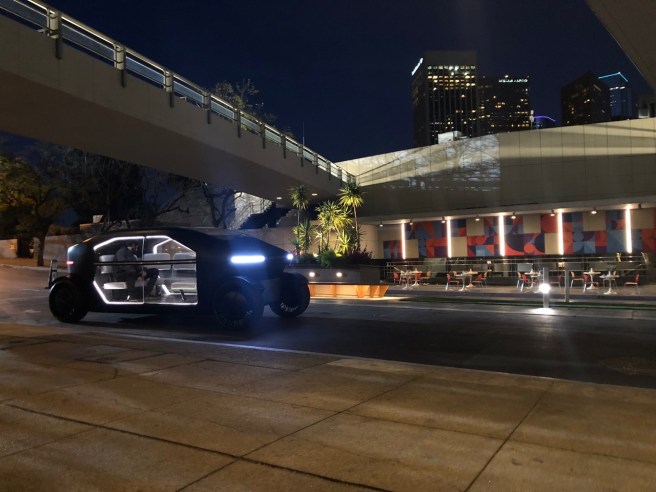
The optimists have different feelings on the matter. This is a time of firsts – click a button, and a ride appears. See your lab tests in an hour with colorful graphs. At our fingertips, we have all the world’s knowledge and an AI to sum it up. Soon, like Dolores in Westworld, we will say, as we walk, “I need a ride,” the AI in my ear replying in a helpful voice, “A vehicle is two minutes away.” We stand on the verge of learning new ways to use the computing advances that appeared only to distract us to death. AI will soon develop new medicines, materials, and capabilities for our day-to-day lives. The genetic engineering revolution promises a cure for Lupus, sickle cell disease, and more, while some medical breakthroughs may come from space.
Coming soon, results. We should be amazed at the times we live in or soon will be again.
-o-
For NASA, space technology, humans and robots exploring our solar system, and thousands – or millions? -of people eventually living and working beyond Earth, there are also the numbers and the vibes. According to the data, NASA’s budget has been losing purchasing power for decades. We might believe that with companies like SpaceX, costs to NASA are now deflating, and the argument about the numbers is more complex. The results from that spreadsheet are not as bad as they seem. Yet most of NASA human spaceflight and all its R&D remain in old-style “cost-plus” contracts. There, NASA asks and industry obliges, paid by the hour, results or not. The nature of risk justifies the approach, except the government takes all the risk. A competitive market where partners innovate, by necessity taking risks too, remains to spread to more NASA projects.
The temptation is to think much ado about nothing, all this being the gripe of every older generation admiring the past. The present seems so much less. This avoids the numbers and the measuring and goes all vibes again, with optimism and stories. We mis-measure, looking at NASA, when we should look to Starships to save the day. Beyond NASA, we have a Space Force with a budget billions a year larger (though this may always have been the case, just not visibly when it was inside the Air Force.) There is a Space Development Agency that has four times the NASA space technology budget. And hypersonics developments in the US Defense Department may finally crack the problem of air-breathing scramjet combustion. This is halfway to Spaceplanes, the difficult half.

Everyone will have a unique set of experiences. Through stories, those experiences might even make sense. Things will work out. We will get there. We must have faith. These were the sayings when the budgets, bogeys, and vibes failed. These are helpful attitudes to keep calm and carry on, but not so much to understand what is happening.
We are now months away from a new administration. The numbers and the stories are already flying around the beltway, a gridlock of attention-getters trying to get to some VIP. Not long ago, it was supposed to be humans on Mars by the early 2030s, but now, it’s only samples returned by 2040 – maybe. There will be the China cards, played hoping fear succeeds where all the other arguments seem too innocent, too Starfleet. Do you want to do the math? Necessary, if only for situational awareness. Dollars, dates, and trends are not lacking, including the indicators NASA’s ability to make leaps and bounds continues amiss. Cancel this, cancel that.
As we still stand paused before the chasm updating our situational awareness, the question remains, “How do you feel?”

 Zapata Talks NASA